

-
 Sold outSold out
 -
 Sold outSold out
 -
 Sold outSold out
 -
 Sold outSold out
 -
 Sold outSold out
 -
 Only a few left!
 -
 Sold outSold out
 -
 Sold outSold out
 -
 Sold outSold out
 -
 Sold outSold out
 -
 Sold outSold out
 -
 Sold outSold out
 -
 Sold outSold out


Varieties of Japanese Maples to Love
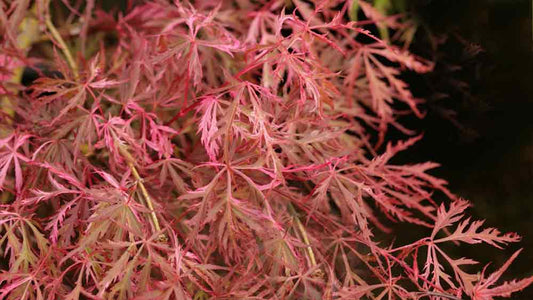
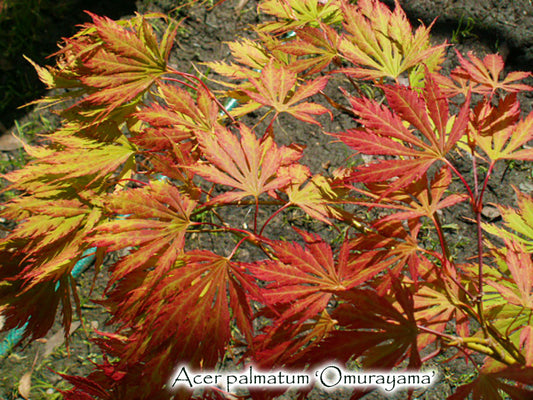
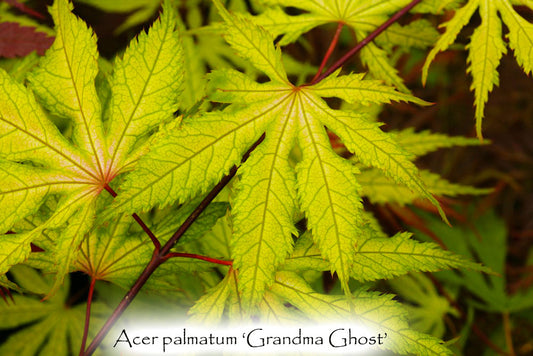
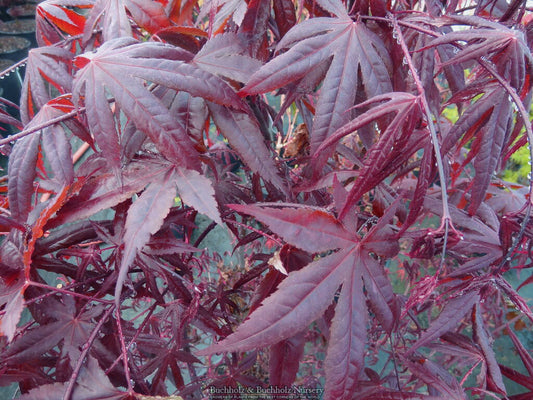
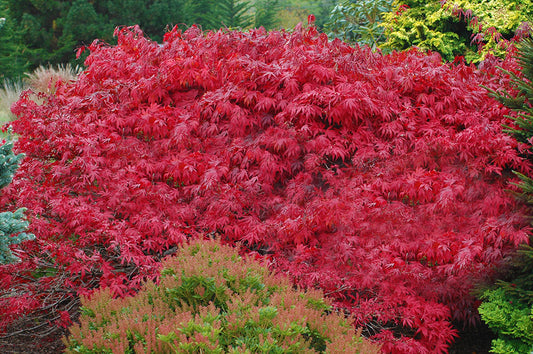
Few maple trees offer as much personality as the Acer palmatum. Upright growers like the classic bloodgood Japanese maple bring deep red stunning foliage that holds through summer, making a graceful choice for the middle of a bed. If you love movement, the weeping Japanese maple forms cascade toward the ground in soft mounds. Inaba Shidare is a favorite among lace leaf varieties, its finely cut leaves giving a graceful form beside a path or pond. For winter interest, coral bark types such as Sango Kaku, the original coral bark maple, glow red in the cold air. With so many varieties of Japanese maples, there is a Japanese acer for every taste.

Growing Your Acer Palmatum
Getting the spot right is the fun part. Most Acer palmatum trees are happiest in partial shade, where gentle morning sun reaches the leaves but the harsh afternoon heat stays away. That balance helps you avoid leaf scorch on the tender edges. In cooler regions, many handle full sun beautifully and reward you with richer color. Your maple will thank you for acidic soil that drains well, so work some organic matter into the planting hole and choose a well-drained soil spot where water never pools. Give the root system room to settle, water through the first few seasons, and your mature tree will return year after year. From the fresh flush of early spring to glowing fall color, this is a tree that earns its place.


About Singing Tree Gardens Nursery
We have spent decades growing beautiful trees and sharing them with gardeners across the United States. From our home on Dow's Prairie near McKinleyville, California, we raise a wide range of ornamental trees, shrubs, and grasses, with a special love for the Japanese maple. Every plant is grown with care and chosen to thrive in real gardens, not just catalog photos. When you order from us, a Japanese maple tree is hand selected, packed, and shipped to your door during our cooler fall season. Have a question about the right maple for your yard? Reach out any time and we will help you find the one that belongs in your small garden or open landscape.

FAQs
Where can I find Acer palmatum trees for sale?
Right here. You can browse our maple trees and place an order any time, and we ship across the United States during the cooler months so your maple travels safely. Keep an eye on our seasonal sales for a chance to bring home a new favorite for less.
Can I grow a Japanese maple in a small backyard?
Absolutely. A dwarf Japanese maple fits happily in small spaces, containers, and tight corners. Compact selections like Little Sango stay petite for years, giving you a small tree with a big presence. Even in a small garden, a single maple becomes a quiet focal point.
Does an Acer palmatum need full sun or partial shade?
Most prefer partial shade, especially where summers run hot, since too much sun can cause leaf scorch. In milder, cooler areas, many varieties take full sun and color up beautifully. Morning light with afternoon shelter tends to be the sweet spot.
What soil is best for Japanese maples?
These maples love acidic soil that drains freely. Mix organic matter into your soil at planting and pick a well-drained soil location. Soggy roots are the one thing this tree truly dislikes.
What is the difference between lace leaf and upright maples?
Upright forms, like the bloodgood Japanese maple, grows taller with broad leaves and make lovely specimen trees. Lace leaf types, often labeled Acer palmatum dissectum, have delicate cut leaves and a weeping shape. Well known names like Crimson Queen put this look on the map, and our own Inaba Shidare captures it wonderfully.
When do Acer palmatum trees look their best?
There is something to enjoy all year. New leaves unfurl in early spring, summer brings steady seasonal color, and the show peaks with brilliant autumn colour. Winter reveals the coral bark and branch structure of certain maple varieties, so the interest never really stops.
How does a Japanese maple compare to larger shade maples?
Big natives are wonderful maple trees for a true fast-growing shade tree, but they need room to spread. The Acer palmatum stays smaller and more refined, which makes it easier to place near patios and walkways.
Can I order Japanese maples online?
Yes. You can browse our Acer palmatum trees and place an order any time, and we ship across the United States during the cooler months so your maple travels safely.