


-
 Sold outSold out
-
 Sold outSold out
-
 Sold outSold out
-
 Sold outSold out
-
 Only a few left!
-
 Only a few left!
-
 Sold outSold out
-
 Sold outSold out
-



A Hydrangea for Every Space
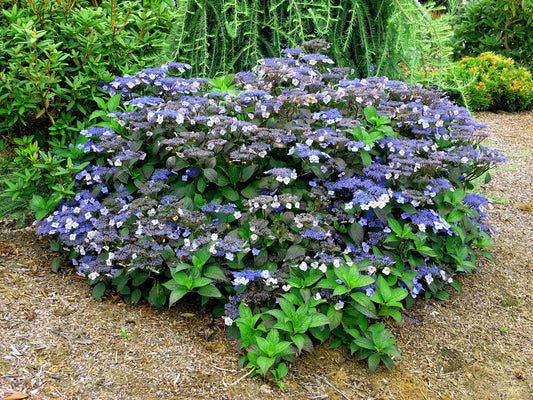
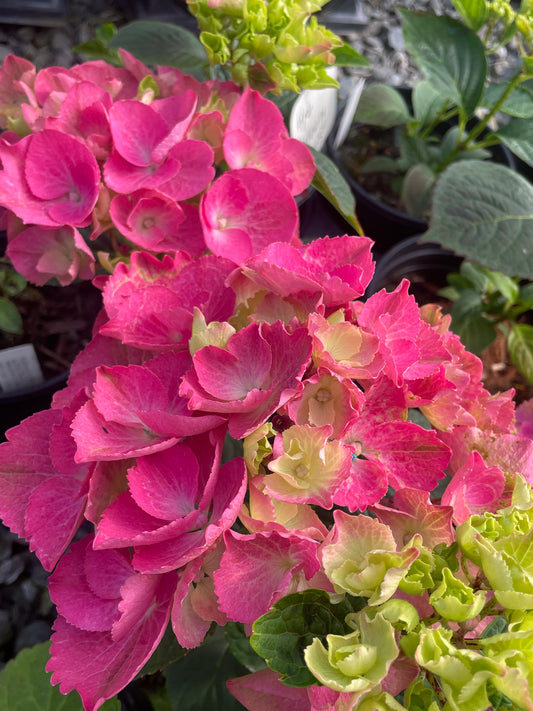
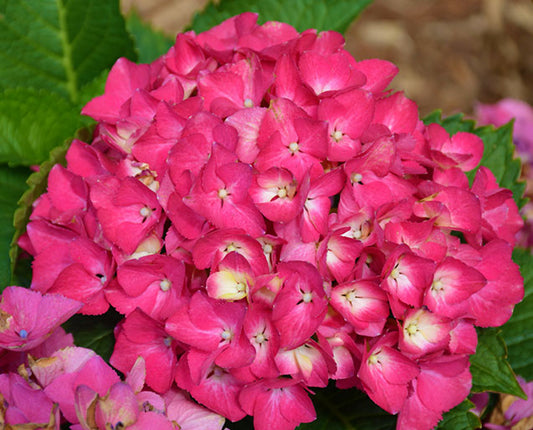
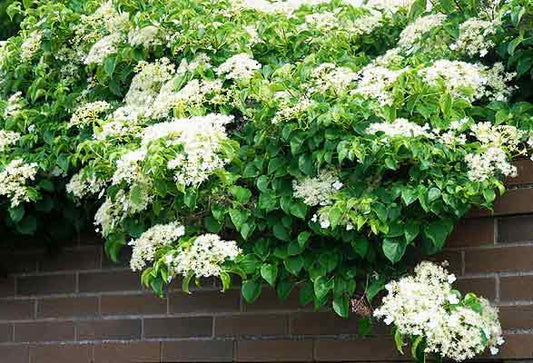
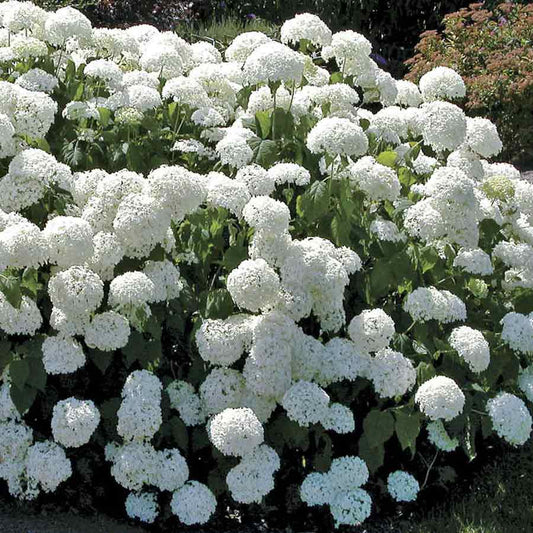
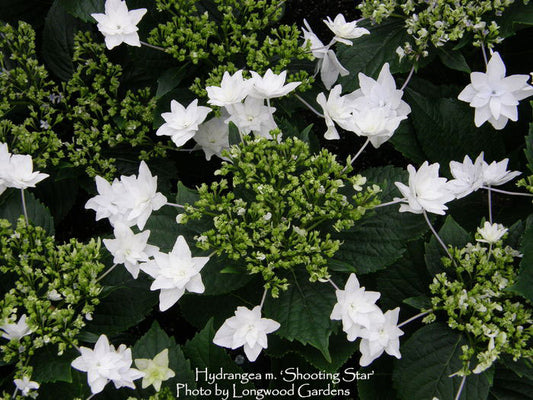
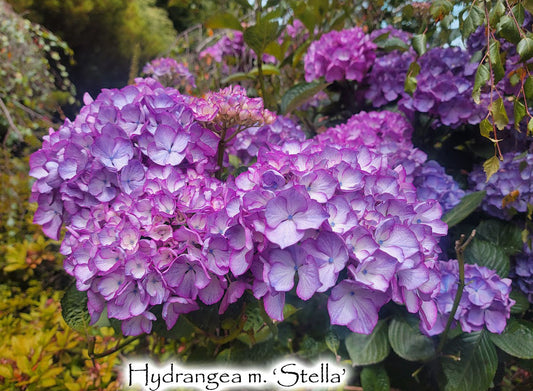
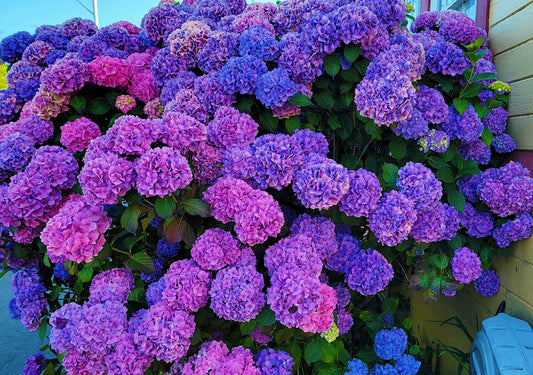
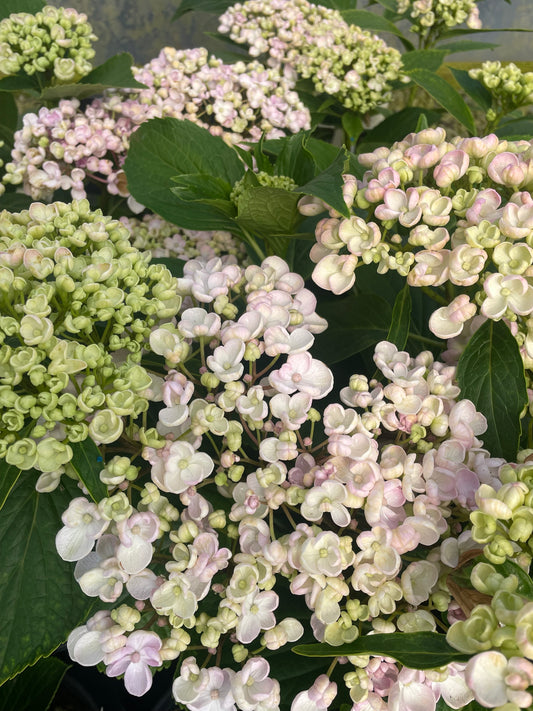
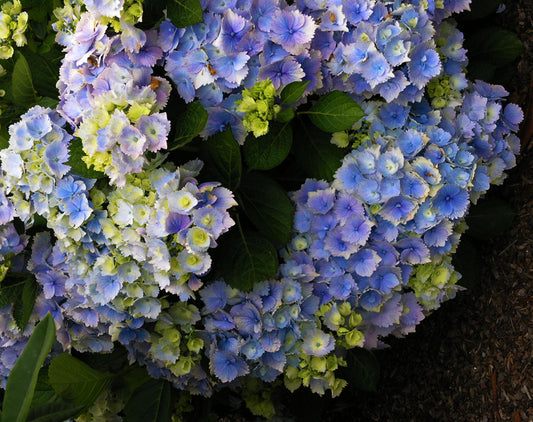
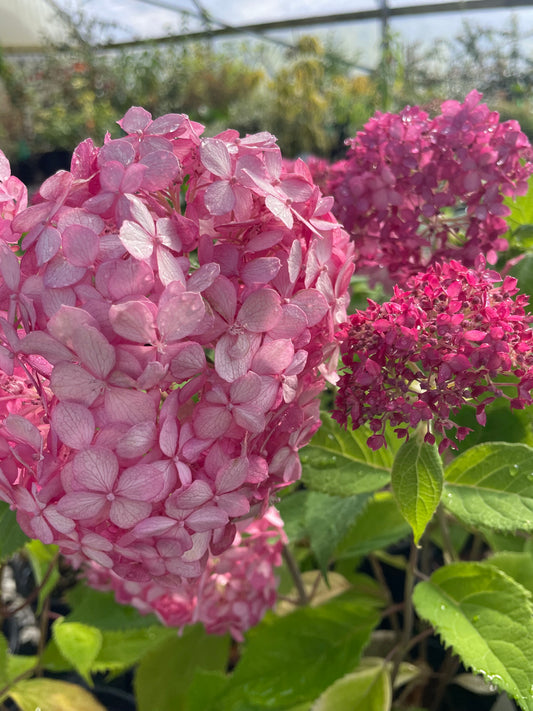
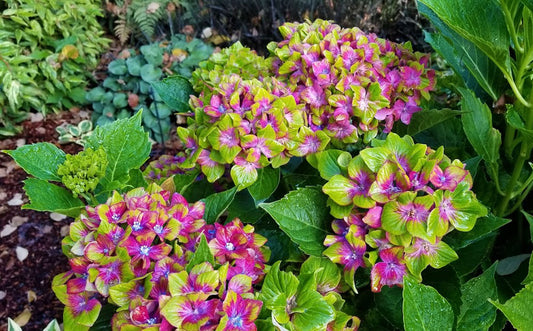
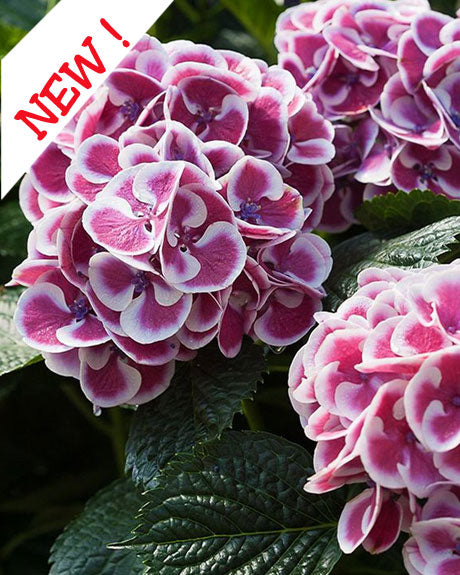
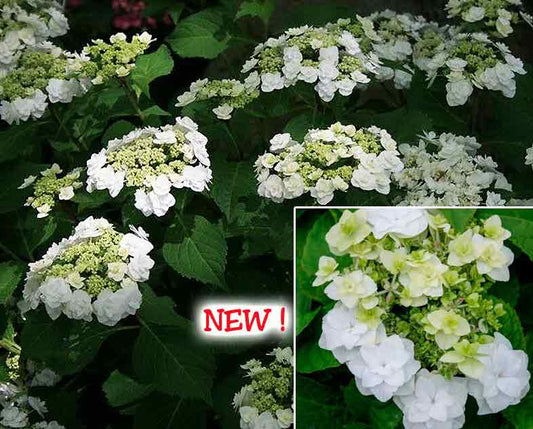
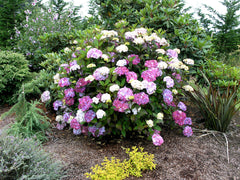
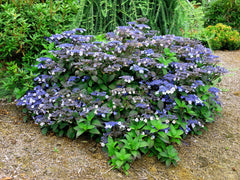
The rounded mop-head hydrangea is the one most people picture, and its flower head shifts blue in acidic soil or pink in alkaline soil. For dependable blue hydrangeas, the Nikko Blue hydrangea is a longtime favorite. When you want height and changing color, a panicle hydrangea (Hydrangea paniculata) like Limelight opens lime-green, ages to rose, and takes full sun well. The oakleaf hydrangea (Hydrangea quercifolia) earns its keep with summer cones, burgundy fall color, and true winter interest; Snow Queen and Ruby Slippers are two we grow. Native smooth hydrangeas, also called wild hydrangea, such as Annabelle, bring big white blooms on sturdy stems.

Planting and Care Made Easy
Give your hydrangea plant a spot with morning sun and afternoon shade, and it rewards you with steadier color all growing season. Most prefer rich, well-drained soil, and mixing nutrient-rich soil or compost into the hole gives roots a strong start. You can steer bloom color with soil pH: lower pH leans blue and higher pH leans pink. Feed lightly with a slow-release fertilizer in early spring as new growth appears. Pruning depends on the type. Mop-heads set each flower bud on old wood; shape them right after they bloom. Panicles and smooth types flower on new wood and can be cut back in late winter. In warmer climates, a little part shade keeps the green leaves fresh into late summer.


About Singing Tree Gardens Nursery
Singing Tree Gardens Nursery grows unusual, hard-to-find plants on Dow’s Prairie near McKinleyville, California, with a special love for hydrangeas. We hand-select every hydrangea bush we offer and tend it on site, and the plant that reaches your door is one we would plant in our own garden. Our team is glad to help you match a variety to your light, your soil, and your plans for the yard. Browse the full range of hydrangeas for sale, see what is on sale this week, or call us today and we will help you choose.

FAQs
Why is my hydrangea not blooming?
The usual causes are too much shade, pruning at the wrong time, or a late frost that damaged the buds. More light, plus knowing whether your type blooms on old wood or new wood, usually turns it around.
How do I turn my hydrangea blue or pink?
Bigleaf and mountain types respond to soil pH. More acidic soil with available aluminum pushes blooms toward blue, while alkaline soil shifts them pink. Oakleaf, panicle, and smooth hydrangeas hold their white or cream color no matter the pH.
Why are my hydrangea leaves drooping?
Wilting usually points to heat or thirst, and the plant often perks back up after a deep evening watering. Afternoon shade and a layer of mulch help it hold moisture on hot days.
Do hydrangeas come back every year?
Yes, they do. Hydrangeas are perennial shrubs that drop their leaves in fall and return with fresh new growth each spring. With light pruning and a yearly feeding, the same plant performs for many years.
Which hydrangea is best for a small yard or foundation planting?
A compact variety suits tight spots and foundation planting along the house. Many hydrangea shrubs stay in the three-to-four-foot range, filling a bed without crowding walkways or windows.
Can hydrangeas grow in shade?
Most do best with morning sun and a bit of afternoon shade. Deep full shade tends to mean fewer flowers, and a spot with gentle light for part of the day gives the best color.
When do hydrangeas bloom?
Many begin in late spring or early summer and hold their showy blooms into fall. The exact window depends on the hydrangea varieties you pick and your local climate.
How do I protect my hydrangea bush in winter?
Add a few inches of mulch before the first frost to shield the roots, and hold off on pruning types that bloom on old wood until spring. A healthy hydrangea bush returns once the weather warms.
Do hydrangeas make good cut flowers?
Yes, they do. The large flower head of a mop-head or panicle makes lovely cut flowers for the table, and panicle blooms dry well for arrangements with lasting winter interest.