


-
 Only a few left!
-
 Sold outSold out
-
 Sold outSold out
-
 Sold outSold out


Find Your Favorite Heather
Three groups cover most gardens. Calluna vulgaris, which goes by the common name scotch heather, sends up flower spikes in late summer in pink flowers, white flowers, and soft mauve flower shades. Many callunas are grown just as much for their gold, orange, or silver foliage color as for their blooms. Erica carnea, or winter heath, keeps the show going with tidy bell-shaped flowers that carry color into early spring. Erica cinerea, known as bell heather, adds deep summer blooms, while tree heather (Erica arborea) grows tall enough for the back of a border. With so many different varieties, you can plant a lineup that never goes quiet.

Giving Heathers a Happy Home
Heathers ask for a sunny spot and soil that drains freely. Give them full sun for the richest color, though a handful take partial shade, and plant them in well-drained soil on the acidic side. Working in organic matter or an ericaceous compost keeps roots content, while heavy clay and alkaline soil are the two things to avoid. Once settled, these hardy evergreen shrubs are low maintenance and shrug off a dry spell. Check your USDA zone, since hardiness spans zones 4 through 10. In the landscape, these small shrubs shine in a rock garden, spill down slopes as ground cover, or planted en masse for a river of color. They look striking next to dwarf conifers in a heather garden.


About Singing Tree Gardens Nursery
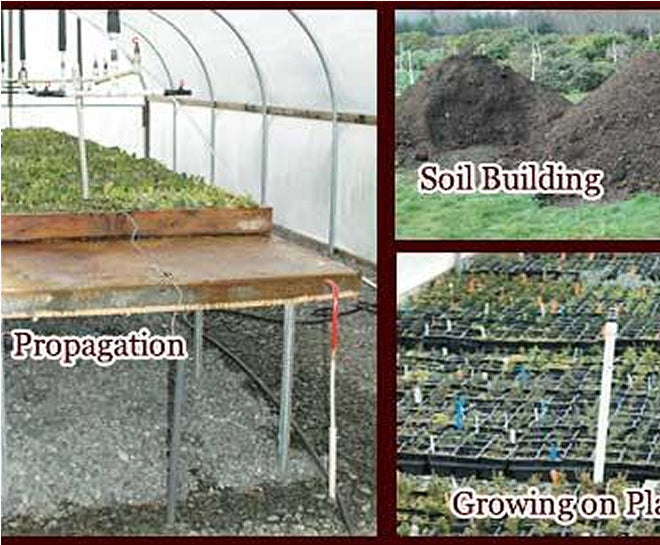
Since 1992, Singing Tree Gardens Nursery has grown rare, high-quality plants on ten acres at Dow’s Prairie near McKinleyville, on the Northern California coast. We began with rhododendrons and kept hunting for beautiful, hard-to-find plants, and today acid-loving plants like heather are among our favorites to propagate. Every plant is raised in our own composted soil mixes, watered from a deep well, using organic and sustainable practices at every stage. More than half the nursery is display gardens you can wander in any season. Browse the heather plants for sale online, or call us today for help picking the best plants for your yard.
FAQs
Are heathers evergreen?
Yes. Most hold their evergreen foliage all year, which is why a heather plant earns its place in the garden even through winter.
Are heathers a native plant in the U.S.?
No. Heather is not a native plant to North America. Calluna and erica come from the moors and heaths of Europe, yet they settle happily in gardens across much of the country.
How do I plant a heather?
Dig a hole as deep as the root ball and a bit wider, tease the roots loose, and set the plant level with the surrounding soil in a sunny spot with sharp drainage.
Will my heathers arrive as bare root plants?
No. We ship healthy, container-grown plants instead of bare root plants. Your heather reaches you potted and ready to settle into the garden.
Do heathers hold up in coastal gardens?
Many do. Heather is a longtime seaside favorite, and several different varieties tolerate wind and salt spray, which makes them an excellent choice for gardens near the water.
What colors do heather flowers come in?
You will find pink flowers, white flowers, purple, red, and soft mauve flower tones, with flower color that shifts by season and variety.
Is it better to buy heather online or at a garden center?
Local garden centers stock what is in season, while ordering online opens up many more varieties and lets us ship high-quality plants right to your door.
How often should I water heathers?
Water regularly through the first season while roots establish. After that, heathers need little water and only want a drink during a long dry spell or a stretch of hot weather.
Do heathers need pruning?
A light trim right after flowering keeps plants full and tidy. Shear into the fresh green growth rather than the old woody stems, since bare old wood will not push out new foliage.
When is the best time to plant heather?
Spring and fall are ideal, when the soil is workable and the weather is mild. Planting outside the peak heat of summer gives the roots time to settle in before any stress sets in.
How far apart should I space heather plants?
Space them according to each variety’s mature width, usually a foot or two apart. Planting a touch closer lets low, spreading types knit together into a continuous carpet.
Can I grow heather in a container?
Yes. A pot with good drainage and an acidic potting mix works well, and it is an easy way to grow heather if your garden soil runs alkaline.