

-
 Sold outSold out
 -
 Sold outSold out
 -
 Sold outSold out
 -
 Sold outSold out
 -
 Sold outSold out
 -
 Sold outSold out
 -
 Sold outSold out


Hellebores to Explore
The world of hellebores is richer than most gardeners expect. Helleborus x hybridus, often called hybrid hellebores, is a popular choice celebrated for colors ranging from deep plum and soft pink to pure white and speckled cream. Helleborus niger, another beloved hellebore species, produces stunning white flowers right in the heart of winter, sometimes as early as January. What makes helleborus so appealing is how naturally it fits into a shade garden or woodland area, tucking beautifully under deciduous trees. These are long-lived plants with evergreen foliage that look good even when they aren't in bloom, and there's a variety here that will feel like it was always meant to be there.

Growing Hellebores at Home
One of the best things about helleborus is how forgiving it is once settled. Moist soil that drains well is the sweet spot, and partial shade is ideal. That being said, many hybrid hellebores can handle full shade during the growing season. If you're planting in early spring or fall, dig in some compost and apply a slow release fertilizer to give your new hellebore plant a solid start. Once established, a hellebore essentially looks after itself, producing vibrant color at the time of year when the garden needs it most. It's a perfect plant for formal gardens and casual woodland gardens alike. And because it's evergreen in most climates, the foliage keeps earning its place in the garden long after the blooms have faded.
Right: Helleborus x ‘Red Sapphire’


About Singing Tree Gardens Nursery
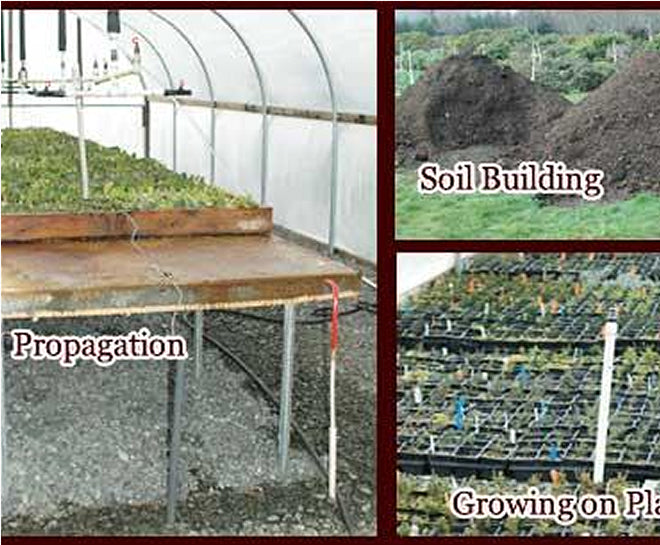
Singing Tree Gardens Nursery has been growing rare and exceptional helleborus plants for over 30 years. While hellebore is a highlight of our collection, we also specialize in rhododendrons, azaleas, heathers, and hydrangeas. Every hellebore plant we offer is propagated right here in organic soil mixes, watered from our deep well, and tended with care from cutting to container. Our beautiful display gardens are open for visits, where you can see mature plants in real settings and get a true sense of what each variety will become. Our team is always happy to help you find the right plant for your shade garden or woodland area, and we ship carefully to gardeners across the country through our mail order program.
FAQs
What is the common name for hellebore?
The common name for hellebore is the lenten rose, a nod to its habit of blooming around late winter and early spring, near the Lenten season. The name fits well, as these plants tend to bloom just when you're most ready for a sign of life in the garden.
When do hellebore plants bloom?
Most helleborus varieties begin blooming in late winter and continue through early spring, making them one of the earliest flowering perennials you can grow.
What kind of soil do hellebores prefer?
Hellebore plants do best in rich, moist soil with good drainage. Amending your soil with compost before planting helps create the ideal environment, especially in shady areas where the ground may dry out more slowly.
Do hellebores grow in full shade?
Hellebores are a natural fit for full shade and partial shade alike. They're often planted beneath trees in woodland gardens where dappled light filters through. While they prefer some indirect light, hybrid hellebores are among the more adaptable hellebore species when it comes to low-light conditions.
Are hellebore plants deer resistant?
Yes, helleborus plants are generally considered deer resistant, which makes them an especially practical excellent choice for gardens in areas where deer browsing is a concern. Their toxicity to animals is part of what gives them such a long, undisturbed life in the shade garden.
How long do hellebore plants live?
The hellebore is a genuinely long-lived plant, capable of thriving in the same spot for decades. As a vigorous grower once established, it gradually expands and may even self-seed in a woodland area, creating naturalistic drifts of flowers over time.
Can I order hellebore plants online and have them shipped?
Yes! Singing Tree Gardens Nursery offers mail order shipping for hellebore plants for sale to gardeners across the United States. Each plant is carefully packed to arrive healthy and ready to settle into your garden. Check our current availability and browse new varieties in our online collection.