

-
 Only a few left!
 -
 Only a few left!
 -
 Sold outSold out
 -
 Sold outSold out
 -
 Sold outSold out


Junipers Selections for Different Landscapes
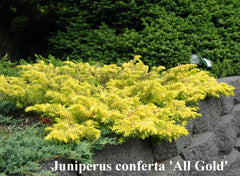
Each juniper species we grow solves a different problem in the yard. J. communis offers versatile options, from Green Carpet Juniper, an evergreen shrub that spreads five or six feet and helps cover slopes, to Compressa, a narrow column that reaches about five feet and adds structure to containers near entryways. Thanks to their long history as bonsai subjects, many dwarf juniper forms respond well to shaping and pruning. When you want height without bulk, Juniperus rigida Pendula and Hikari grow into graceful juniper trees with drooping branchlets, the temple junipers of Japanese gardens. For color down at ground level, Mother Lode and All Gold Juniper stay a few inches tall and glow yellow straight through winter.

Growing Junipers in Your Yard
Junipers come about as close to plant-and-forget as an evergreen gets. Give them full sun and well-drained soil, and they handle the rest, including dry conditions once the roots settle in. If your yard has heavy clay soil, set the plant on a low mound so water drains away from the crown. Water weekly the first summer, then gradually reduce watering to every few weeks as the plant becomes established. Pruning is rarely needed, but many varieties can be shaped if desired. Low-growing golden junipers also perform well in containers, adding year-round color to decks, patios, and entryways. A juniper you plant this season will look like it has always been there by the next one.


About Singing Tree Gardens Nursery
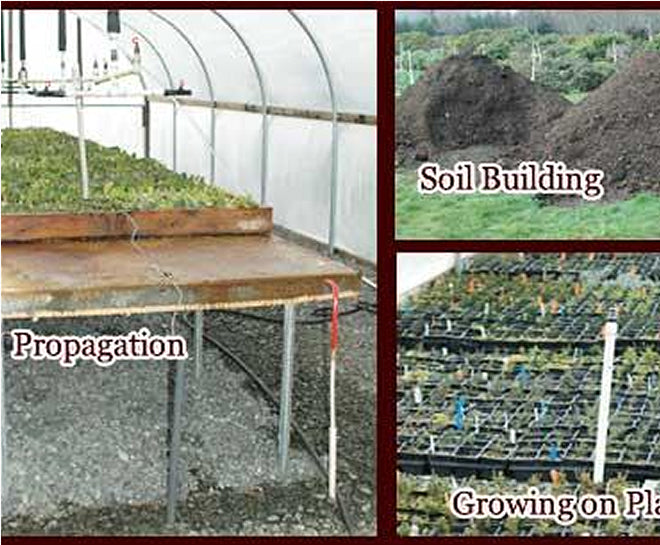
At Singing Tree Gardens Nursery, we have been growing rare and unusual conifers on Dow's Prairie for more than thirty years. We are family-owned, and every plant we ship is grown here with attention to root health rather than shelf appeal. Our junipers live in the Dwarf Conifers collection, where you can filter by hardiness zone, mature size, and exposure until you find the one that suits your yard. Once the junipers are picked, our rhododendrons, azaleas, magnolias, and hydrangeas are worth a look for the flowering side of the garden. If you would rather talk it through, send a question through our contact page and we will point you toward the right plant.
FAQs
What is the Juniperus genus?
Juniperus is a genus of evergreen conifers in the family Cupressaceae, with roughly 60 to 75 Juniperus species spread across the northern hemisphere. The range stretches from the Canary Islands and Central Asia to the United States and Northern Mexico, giving the genus the widest reach of any conifer group in the western hemisphere.
What types of leaves does a juniper have?
Junipers carry two types of leaves, often on the same plant. Juvenile foliage takes the form of sharp needle-like leaves, also called an acicular leaf, each marked with a pale stomatal band. Mature growth switches to a scale-like decurrent leaf pressed flat against the stem, sometimes carrying an abaxial gland. Fast shoots produce intermediate whip leaves, and on J. communis, the juvenile leaves stay for life, jointed at a basal abscission zone.
Why buy your junipers from Singing Tree Gardens Nursery?
We grow our plants on-site in McKinleyville, California, and ship them across the country, so what arrives at your door is a rooted plant rather than a warehouse holdover. Orders take about a week to process. While you are here, our Dwarf Conifers, Daphnes, and Rhododendrons collections pair beautifully with juniper.
Which species of juniper grow wild in the United States?
Several do. Western juniper covers the dry interior of California and Oregon; red cedar is the common name for the eastern tree species, Juniperus virginiana, and the southwestern United States holds junipers that share ground with pinyon pine.